

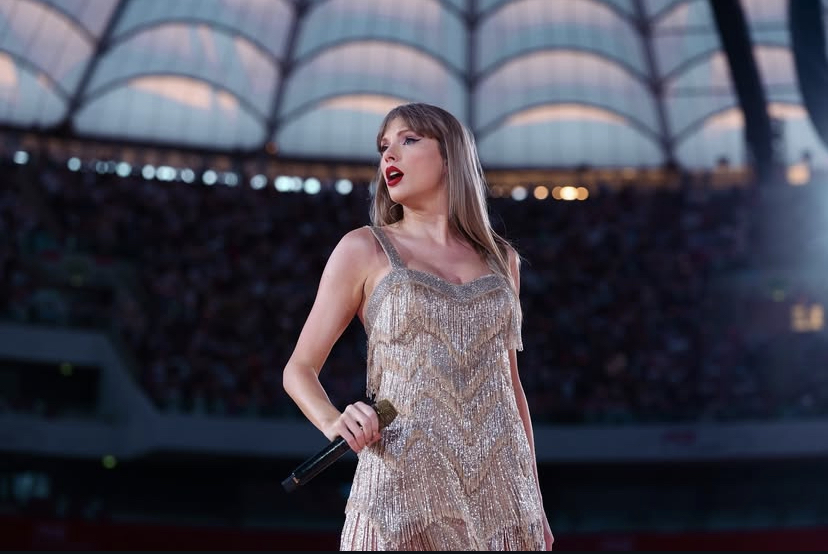
Taylor Swift and the AI Deepfake Scandal: A Wake‑Up Call
In January 2024, Taylor Swift became the most high‑profile victim of sexually explicit deepfake images generated by AI. These non‑consensual images proliferated on platforms like X (formerly Twitter), Reddit, and Instagram. One post alone was viewed over 45 to 47 million times before removal
The Origin & Spread
Research firm Graphika traced the origin of the images to a toxic 4chan and Telegram community that challenged users to bypass AI filters (like Microsoft’s Designer or DALL‑E) by using misspellings or keyword tricks. Within hours, the images circulated widely. The platform X responded by temporarily blocking searches for “Taylor Swift” to limit spread – though the damage had been done.
Swifties & Institutional Reaction
Swift’s devoted fans, the “Swifties,” launched a massive online response under the hashtag #ProtectTaylorSwift, flooding platforms with positive content and mass-reporting abusive posts. Meanwhile, SAG‑AFTRA condemned the content as “upsetting, harmful, and deeply concerning,” and advocacy groups emphasized that non‑consensual deepfake pornography constitutes a form of sexual violence.
Corporate and Political Fallout
Microsoft publicly called the situation “alarming and terrible.” They later reinforced their content‑moderation guardrails to prevent similar misuse. The controversy gave renewed momentum to legislative efforts in the U.S., most notably the No AI FRAUD Act, proposed to protect individual likeness and voice under federal law. Advocates urged Congress to criminalize non‑consensual deepfake creation and distribution, warning about the wider implications for victims beyond celebrities
Cultural Backlash & the AI Reckoning
Media critic John Herrman described Swift’s experience as emblematic of the broader AI backlash: generative tools being weaponized for shame, mockery, exploitation, and misinformation – often targeting women and public figures. Her high visibility gave the deepfake epidemic a powerful spotlight, sparking urgent debates about the balance between innovation and abuse prevention.
Why This Matters
Non‑consensual deepfakes aren’t rare – many victims lack the fanbase and platform Swift has, making removal and justice even harder.
Platforms remain unprepared: even with policies, moderation teams often lag behind rampant AI‑enabled abuse.
Legal gaps persist: state laws vary and federal protections are still unfolding, leaving many vulnerable without clear recourse
Lessons & Next Steps
Swift’s ordeal was both harrowing and transformative. It illustrates how generative AI tools, once seen as novel or entertaining, can be weaponized for identity theft, sexual abuse, and misinformation. But her centrality in this incident also turned her into a catalyst for reform – popular support, legal proposals, and technology changes rapidly followed.
To prevent further harm, a multi‑stakeholder response is essential: stronger laws, safer tech design, and platform accountability must all play a role. And as Swift and her fans mobilize, we’re reminded that awareness – backed by action – can still push back against the darker uses of AI.
References
Picture Credits- @TaylorSwift
https://www.bbc.com/news/technology-68110476
https://www.thehindu.com/sci-tech/technology/taylor-swift-battling-deepfake-violence-through-search-query-blocks/article67788106.ece