

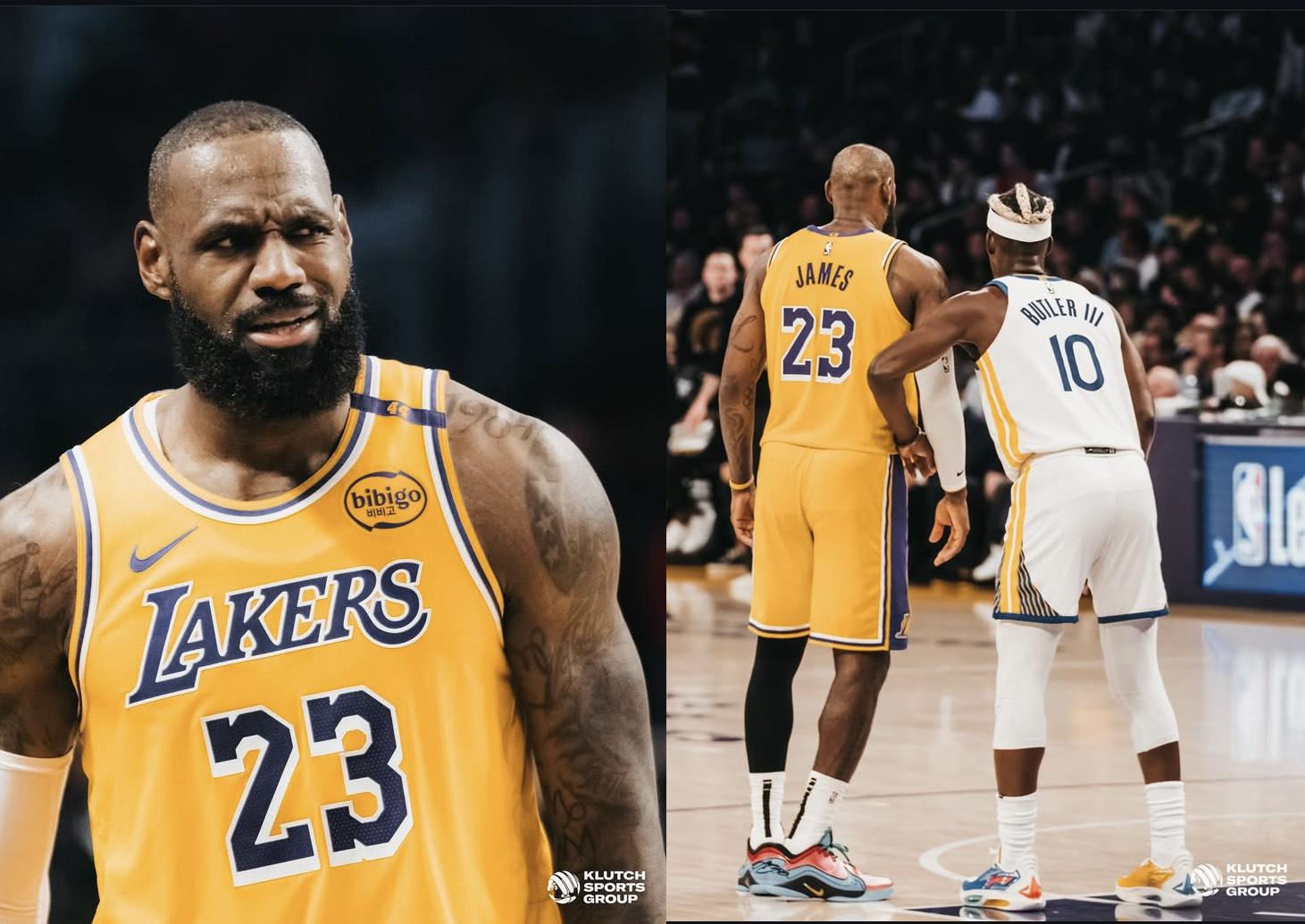
LeBron James vs AI: Setting a Landmark in Likeness Rights
In July 2025, NBA legend LeBron James took a bold legal stand. He confronted Interlink AI, the creators of an AI-powered tool hosted on FlickUp, for distributing disturbing deepfake videos. One of the most viral clips falsely depicted LeBron as pregnant a scenario that sparked instant backlash.
LeBron James Faces AI Deepfake Controversy Head-On
The AI-generated videos didn’t stop at bizarre humor. They crossed serious ethical lines. Some clips portrayed LeBron in graphic and shocking scenes, including sexual violence and homelessness. These were not random memes they were algorithm-generated, hyper-realistic fakes that reached millions. As a result, outrage spread fast across Instagram, Discord, and beyond.
LeBron Targeted by Viral Deepfakes: The AI Controversy Explained
James’s legal team acted swiftly. Within minutes of receiving the cease-and-desist, FlickUp’s founder, Jason Stacks, announced the removal of all “realistic people models” from Interlink AI. Instagram also removed at least three accounts that had posted the offensive content.
Platforms React to LeBron Deepfake Scandal
Public pressure mounted quickly. Fans, legal experts, and privacy advocates rallied behind LeBron. Platforms like Discord and Instagram began reassessing their AI content policies. While tech companies claim to promote free expression, this case highlighted how AI misuse can cause real damage – especially to high-profile individuals.
LeBron’s AI Case Sparks Debate Over Celebrity Rights and Ethics
This incident wasn’t just about LeBron. It triggered a wider debate about digital identity rights. If someone as powerful as LeBron James can have his image misused, what does that mean for others? Former teammate Richard Jefferson voiced strong support, saying no one-famous or not – should lose control of their name and image.
Will LeBron’s Case Push AI Regulation Forward?
Indeed, lawmakers are taking notice. In the U.S, legislation like the NO FAKES Act is gaining traction. This law would give people legal control over how their voice, image, and likeness are used in synthetic media. LeBron’s case may become the precedent that fuels this legislative momentum.
The NO FAKES Act: A Step Toward AI Accountability
In response to rising concerns over unauthorized AI-generated content, U.S. lawmakers introduced the NO FAKES Act (Nurture Originals, Foster Art, and Keep Entertainment Safe Act). This proposed legislation aims to give individuals – especially public figures – explicit rights over their name, image, and voice in the age of generative AI. It would make it illegal to produce or distribute digital replicas without consent, whether for commercial, political, or entertainment purposes. LeBron’s case has intensified public and political interest in this bill, positioning it as a potential game-changer in the fight to protect personal identity and creative integrity in the digital era.
New Laws May Follow LeBron’s Landmark AI Case
As this case unfolds, legal and tech communities are watching closely. The outcome could reshape how AI-generated content is treated under the law. It also places urgent pressure on platforms to build more ethical frameworks and detection tools.
Key Takeaways
- Consent must be respected. Public figures still have a right to protect their image.
- Platforms must act fast. Allowing deepfake content to go viral can cause serious harm.
- New rules are needed. LeBron’s case reveals clear gaps in current AI policy.
- Public pressure works. Without fan outrage, platforms may not have acted.
Final Thoughts
LeBron James didn’t just fight back against a fake video. He ignited a global conversation about AI, ethics, and digital identity. As AI tools become more powerful and accessible, his case could be the tipping point that finally brings accountability into focus.
References
Picture Credits – @kingjames
https://www.sfgate.com/warriors/article/lebron-james-lawyers-threaten-sue-ai-video-20786830.php
https://www.coons.senate.gov/imo/media/doc/no_fakes_act_one-pager.pdf