

Introduction
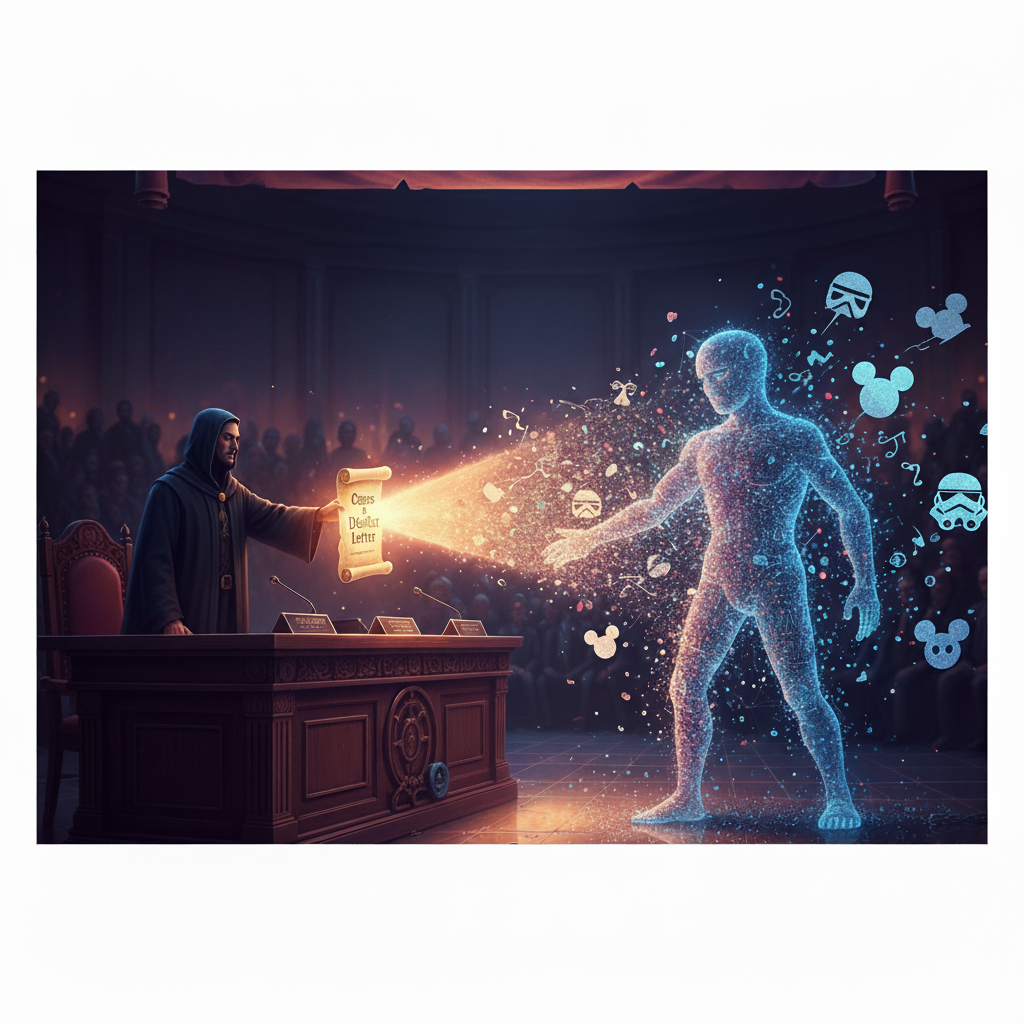
Disney has filed a high-profile lawsuit against Character.AI, a popular AI chatbot platform, over the unauthorized use of its iconic characters. This lawsuit highlights the growing legal and ethical challenges surrounding AI-generated content and copyright protection in the digital era.
What Happened?
According to Disney, Character.AI allowed users to create AI-generated simulations of Disney characters without permission. The company claims that this violates intellectual property rights and poses a threat to its brand reputation. Disney argues that AI-generated content could misrepresent beloved characters in ways that conflict with the company’s long-standing values.
Character.AI enables users to interact with AI versions of fictional characters and personalities. While it has been popular for entertainment, educational, and research purposes, its use of copyrighted material has raised legal concerns.
Legal Implications
The Disney vs. Character.AI case underscores the challenges of applying copyright law to AI-generated content. Traditional intellectual property laws were not designed for machine-created works, creating a gray area for AI startups.
Legal experts say that the outcome of this case could set significant precedents. It may affect how AI companies train models, generate content, and ensure proper licensing of copyrighted materials.
Ethical Concerns
Beyond legal issues, there are ethical questions. AI-generated character content can blur the line between human creativity and machine output. Disney emphasizes the importance of preserving character integrity, warning against deepfake misuse or inappropriate portrayals that could damage brand trust.
The Broader Context
This lawsuit is part of a growing trend. Celebrities and media companies worldwide are taking legal action against platforms hosting AI-generated content without consent. Bollywood actors, for example, have filed suits over deepfake videos on social media platforms, reflecting similar concerns about image rights and brand protection.
For AI startups, the case is a reminder to focus on ethical AI usage, compliance with copyright law, and proper licensing agreements.
Conclusion
The Disney vs. Character.AI lawsuit is more than a battle over intellectual property – it represents a pivotal moment in AI content regulation. Courts’ decisions on this case could influence how AI-generated content is created, shared, and monetized in the future. For creators, businesses, and AI developers, it is a crucial lesson in balancing innovation with legal and ethical responsibilities.