

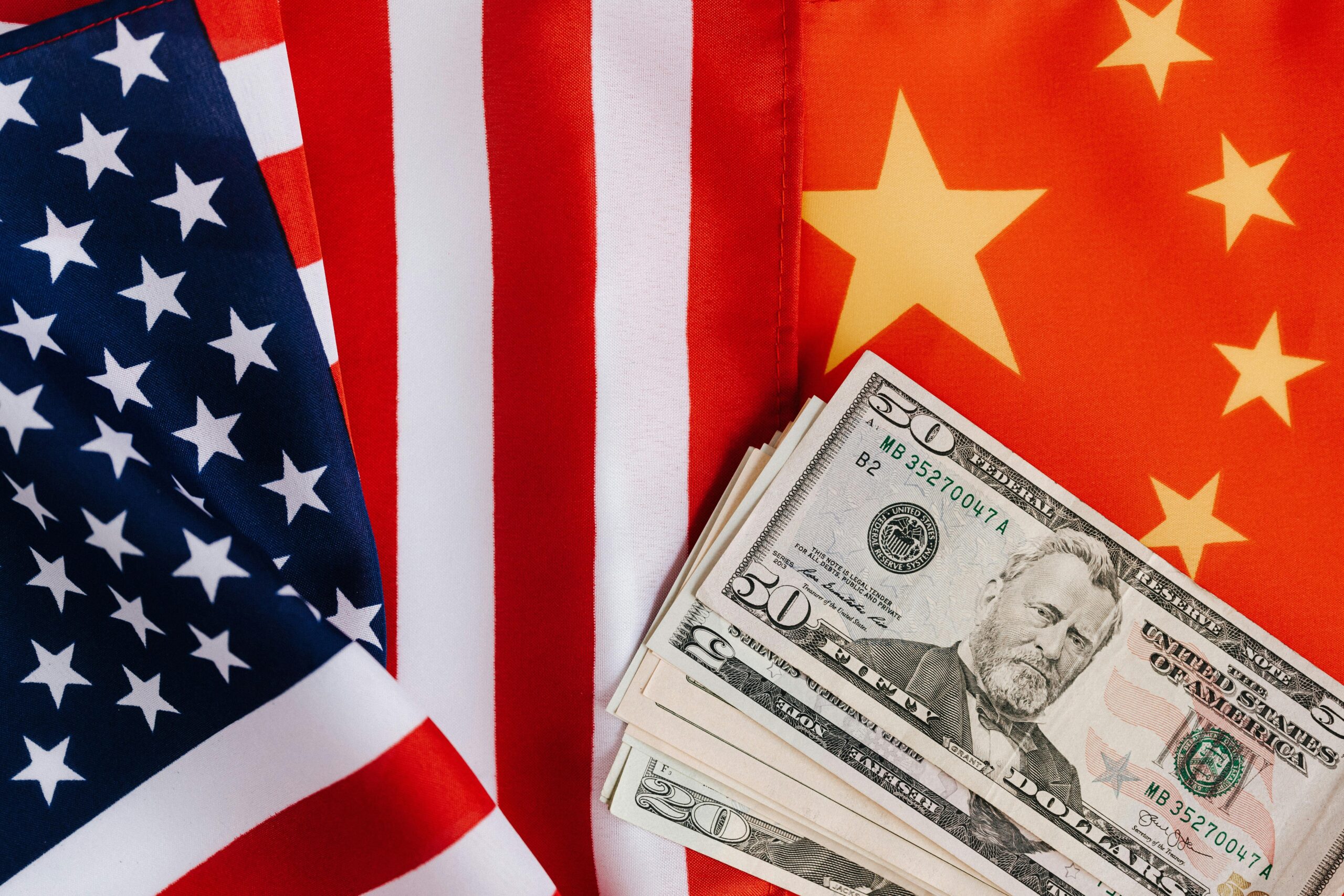
Amid mounting technological rivalry with the United States, China is accelerating its program for AI self‑reliance – deploying a suite of policies, investments, and structures to build an indigenous AI ecosystem from chips to models.
AI Sovereignty Vision: China’s Quest for an Independent Tech Stack
China’s renewed emphasis on AI self‑sufficiency stems from rising U.S. export controls on semiconductors and AI software. With Washington tightening access to chips and tools, Chinese leaders are embracing the concept of “independent and controllable” technology infrastructure as central to national security and economic sovereignty
During the World Artificial Intelligence Conference in Shanghai, Premier Li Qiang showcased China’s ambition to shape global AI governance. He proposed a UN‑linked global “AI Cooperation Organization” headquartered in Shanghai, portraying China’s model as inclusive and multilateral in contrast to a unilateral U.S. “America First” strategy
AI Ecosystem Acceleration: Domestic Alliances, Chips & Models in Action
Domestic tech giants and startups are joining forces. Two new alliances – the Model‑Chip Ecosystem Innovation Alliance and a Shanghai Commerce AI Committee – connect major chipmakers (Huawei, Biren, Moore Threads) with LLM developers like StepFun, SenseTime, Metax, and Iluvatar, aiming to unify chips, models, and infrastructure into a self‑contained ecosystem.
Huawei’s unveiling of its CloudMatrix 384 system – built on Ascend 910C chips – signals that Chinese hardware is closing the gap with Nvidia’s offerings. While domestic performance still lags behind premier U.S. chips, projections suggest Chinese accelerators could capture over 55 % of the national AI chip market by 2027.
Rising Ecosystem: Models, Startups & Open Source
On the software front, firms like DeepSeek and Moonshot AI are trailblazers. DeepSeek disrupted the field with its R1 model – a low-cost, high-performance LLM that shook up global markets and triggered massive U.S. capital revaluation. Moonshot’s Kimi K2 – featuring a trillion‑parameter MoE architecture – was released in July 2025 under a modified MIT license, further signaling China’s open‑source ambition.
These developments are nested in Hangzhou’s tech hub, home to the so‑called “Six Little Dragons” including DeepSeek, Unitree Robotics, BrainCo, and others. Together they showcase China’s ability to scale AI innovation beyond Tier‑1 firms and integrate applications across robotics, biotech, gaming, and materials science.
Alibaba Cloud founder Wang Jian argues that innovation in China stems from the right vision rather than expensive talent, contrasting sharply with Silicon Valley hiring models. He emphasizes a healthy competitive ecosystem that drives iterative progress across Chinese firms.
Challenges and the Road Ahead
Despite rapid strides, China still faces serious challenges. Its AI chip performance trails U.S. options, lacking access to cutting-edge TSMC lithography tools. Local talent shortages persist, and AI innovation must contend with evolving global safety norms and internal censorship pressures.
U.S. policy remains dynamic: while export restrictions aim to curb China’s access, they may also accelerate its push for self-sufficiency. Oddly, recent U.S. moves to permit Nvidia’s H20 chip exports to China underscore how continued restrictions can backfire, encouraging domestic innovation at home.
Summary: A Two‑Track Strategy
In essence, China is executing a two‑track approach: steadfastly building a domestic AI stack – from chip fabrication to model deployment – while also promoting a global narrative of AI cooperation under its leadership. This hybrid approach is designed to ensure technological sovereignty domestically and influence global standards abroad.
Looking ahead, China aims for over 70 % chip self‑sufficiency by 2028, a doubling of its domestic AI chip market share, and global leadership in open-source LLM development – a bold bid to redefine the future of global AI competition.
References
https://www.pexels.com/photo/american-and-chinese-flags-and-usa-dollars-4386371
https://www.artificialintelligence-news.com/news/china-ai-competition-shanghai-subsidy-us-rivalry
https://edition.cnn.com/2025/07/28/tech/china-global-ai-cooperation-organization-waic-hnk-spc
https://www.thinkchina.sg/technology/big-read-sanctioned-surging-how-china-building-its-ai-empire